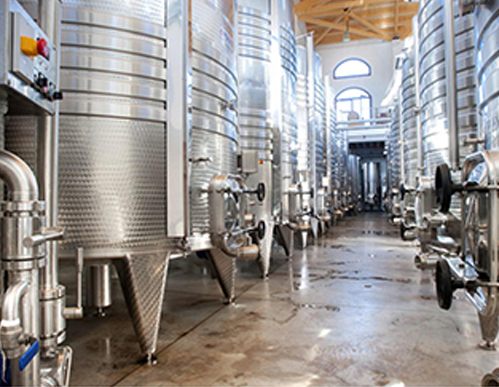
Viniflora® is a range of malolactic cultures developed to control and optimise malolactic fermentation in winemaking. The use of Viniflora® cultures enables fast, safe, and reproducible malolactic fermentation, helping reduce processing time, operational costs, and microbiological risks in wineries.

The Viniflora® range also includes Viniflora™ Sparta™, a highly adaptable culture designed to support fast and reliable malolactic fermentation, including under challenging winemaking conditions.

Learn more about Viniflora™ SPARTA™

Features

  • Direct inoculation without propagation steps;
  • Stable activity at high alcohol concentrations;
  • Good performance at elevated fermentation temperatures;
  • Compatible with co-inoculation or sequential inoculation;
  • Effective control of unwanted microflora.

Viniflora™ Sparta™ complements the range with several specific characteristics:

  • tolerance of alcohol levels up to 16%, pH values as low as 3.0, up to 45 mg/L total SO₂ and low malic acid concentrations;
  • flexible dosage adapted to the characteristics and level of difficulty of the wine;
  • storage at −18°C for up to 3 months, with no need for a special freezer.

Advantages

  • Significant reduction in malolactic fermentation time;
  • Lower energy consumption (heating, pumping, handling);
  • Reduced labour and processing costs;
  • Minimal wine losses by eliminating unnecessary transfers;
  • Lower risk of contamination and microbiological defects;
  • Calitate constantă și reproductibilă de la un lot la altul;
  • For Viniflora™ Sparta™, rapid adaptation and flexible dosage support improved fermentation control and greater process efficiency.

Applicability

Viniflora® cultures are recommended for:

  • red wines,
  • white wines where malolactic fermentation is desired,
  • high-alcohol wines,
  • artisanal and industrial wineries,
  • procese de vinificație orientate spre eficiență și sustenabilitate,
  • challenging wines requiring a highly adaptable culture, such as Viniflora™ Sparta™.

Application Technologies: 

Co-inoculation

  • rapid initiation of malolactic fermentation;
  • reduced total winemaking time;
  • superior microflora control.

Sequential inoculation

  • applied after alcoholic fermentation;
  • requires careful monitoring;
  • longer overall process duration.