
Cost reduction and texture preservation in yoghurt through the use of YoFlex® Acidifix® culture
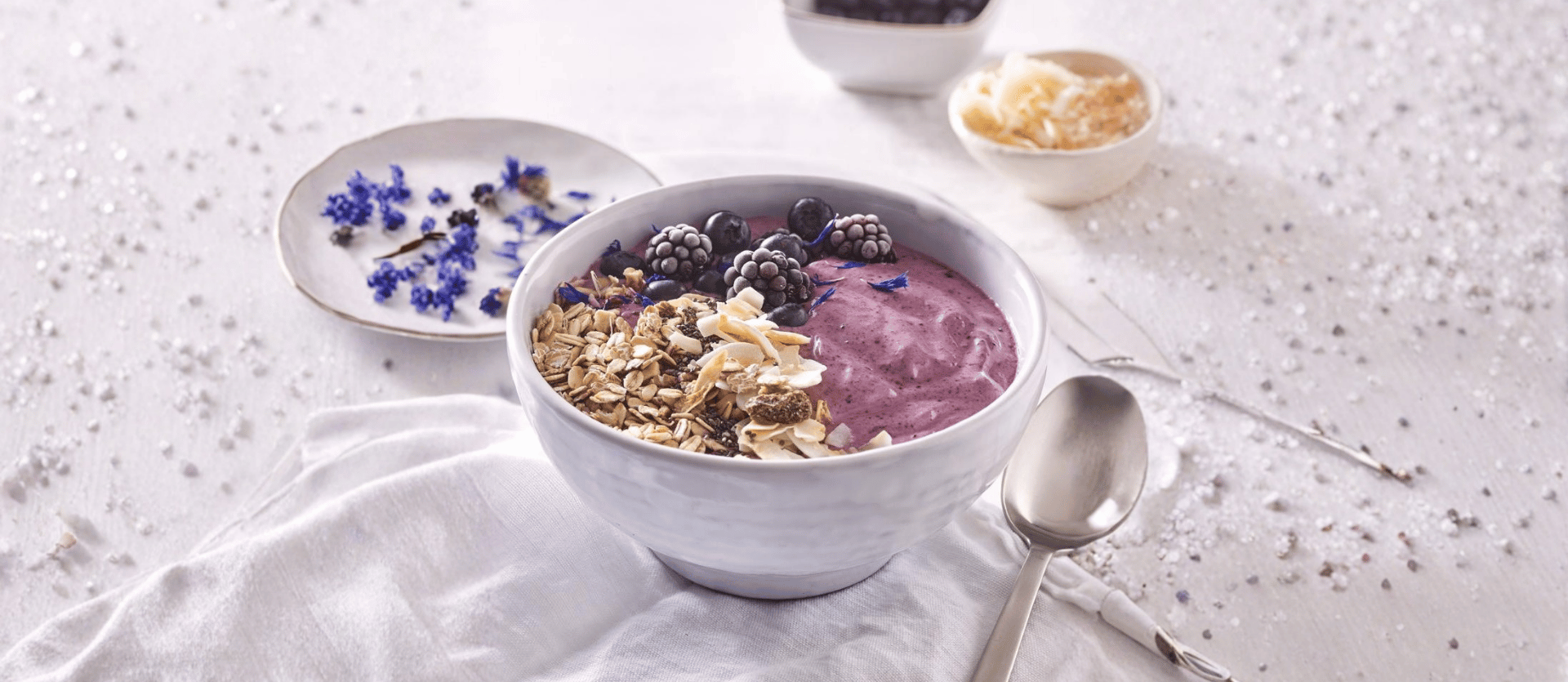
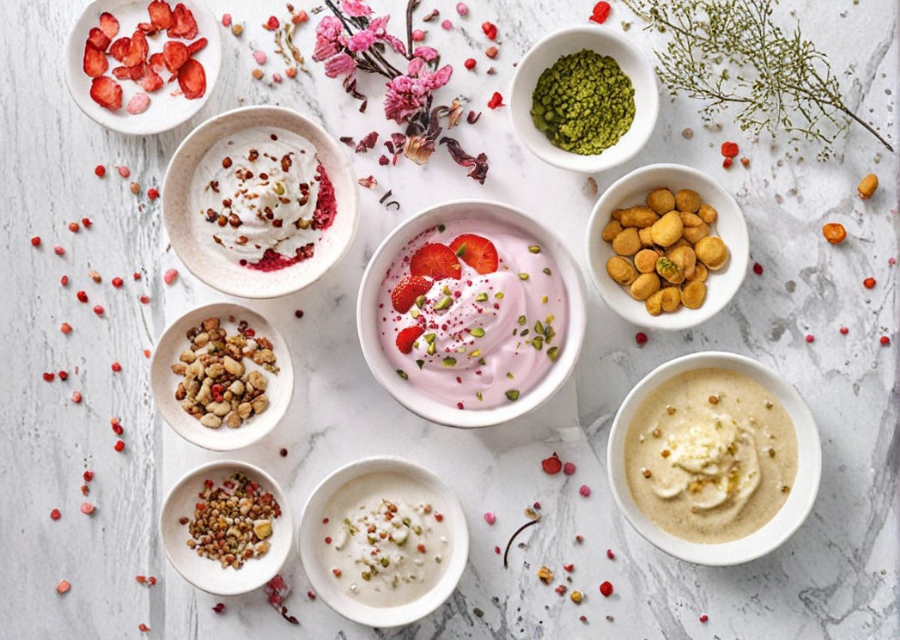
YoFlex® Acidifix® culture enables the implementation of a “warm fill” process, a technological approach that preserves the texture formed during fermentation and reduces the need for proteins and texturizers.
Study objective Evaluation of how YoFlex® Acidifix® culture:
- Maintains yoghurt texture under warm fill processing conditions
- Reduces the use of stabilisers and texturizers
- Enables a reduction in protein content by 0.3 - 0.6%
- Delivers significant cost savings for processors
Methodology
The study compares two processes:
A. Traditional process (regular process)
B. Warm fill process using YoFlex® Acidifix®
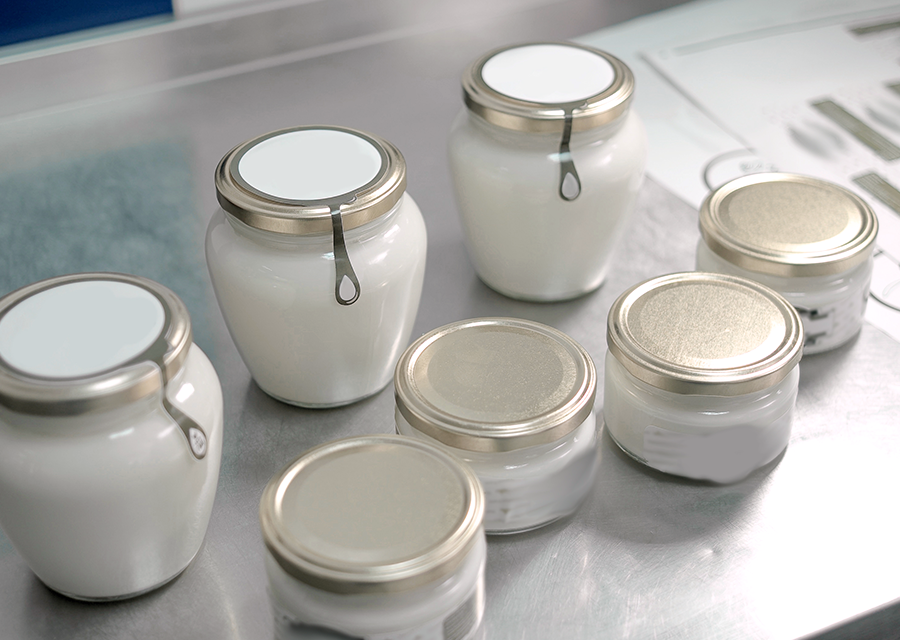
A. Traditional process (regular process)
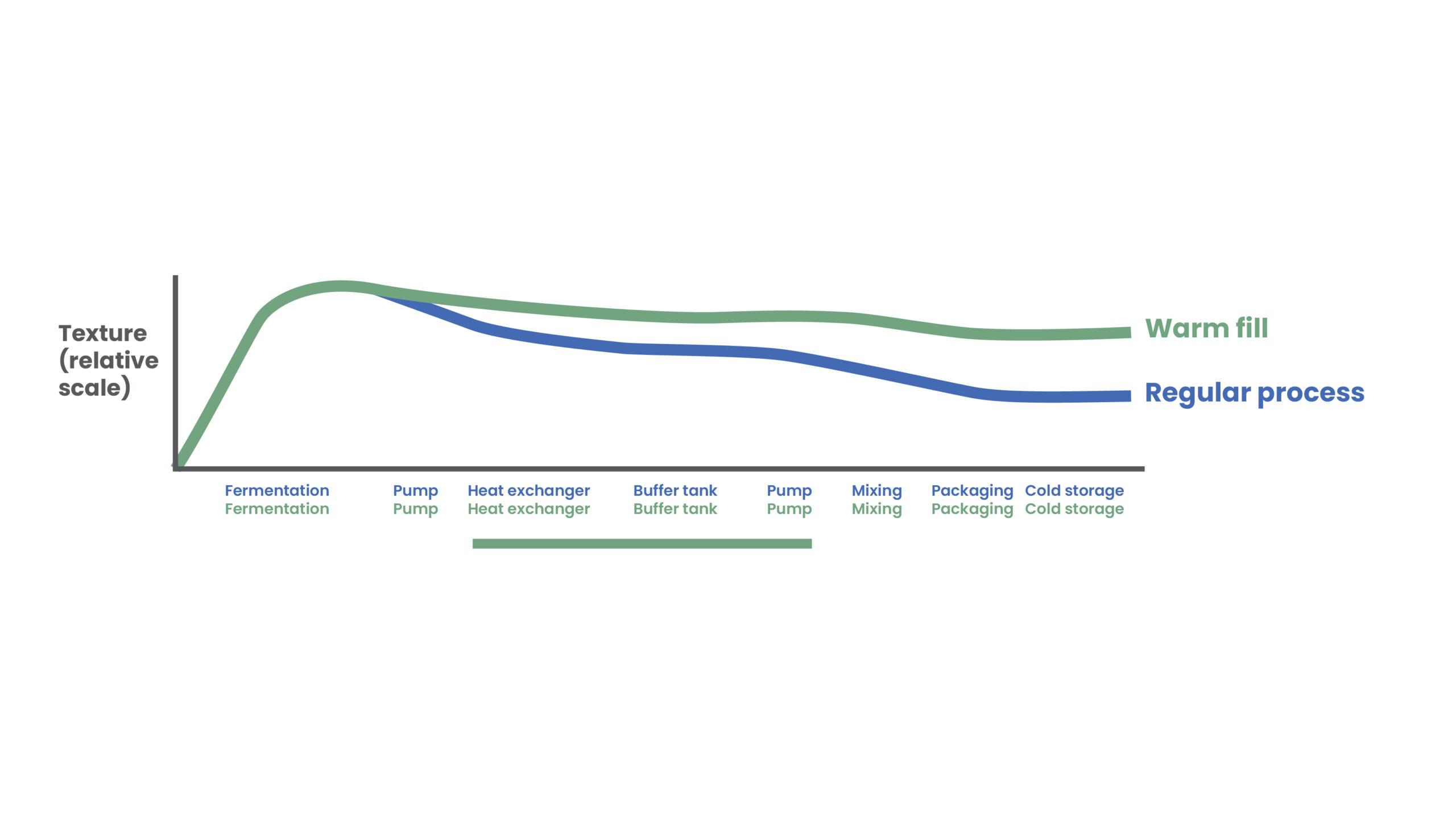
Includes pumping, passage through a heat exchanger, buffer tank, mixing, cooling, and cold filling.
These steps lead to a loss of up to 50% of the texture formed during fermentation.
B. Warm fill process using YoFlex® Acidifix®
Simplified flow:
- fermentation
- minimal pumping
- mixing
- direct hot filling
Study results
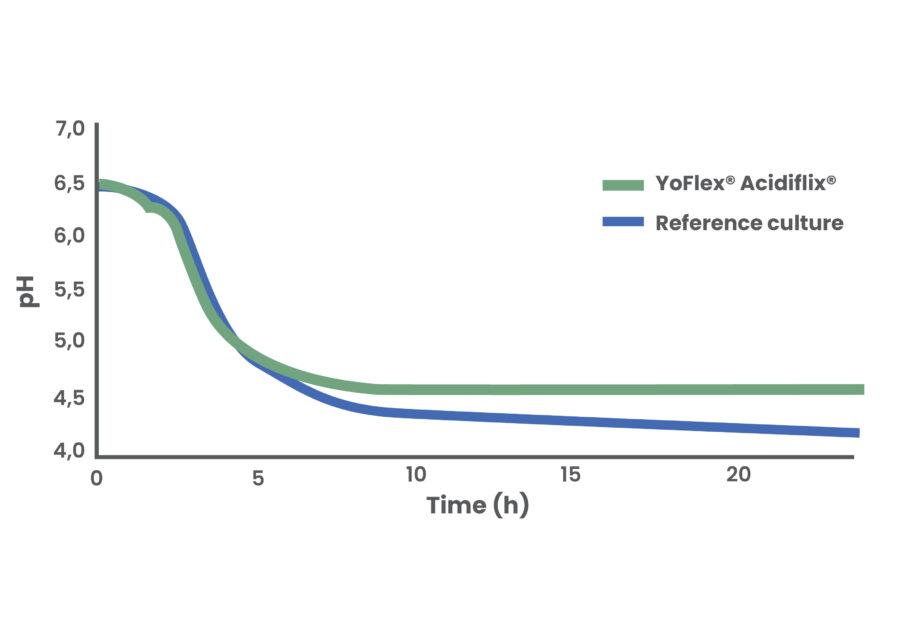
pH Stability of YoFlex® Acidifix® culture:
- stabilises pH after fermentation
- prevents further pH drop
- enables hot filling without risk of over-acidification
Texture Preservation
- stabilises pH after fermentation
- prevents further pH drop
- allows hot packing without risk of over-acidification.
Cost reduction Through Natural Texture Stabilisation:
- The traditional process loses up to 50% of texture due to mechanical forces (shearing & pumping)
- The warm fill process preserves texture by eliminating disruptive processing steps.
Producer advantages
Technological Advantages
YoFlex® Acidifix® fundamentally transforms the yoghurt production process:
- Texture is formed during fermentation and preserved, not artificially rebuilt.
- The process is shorter, simpler, and with lower losses.
Economic advantages
By reducing texturizers and protein levels, producers can consistently achieve:
- Lower raw material and operational costs
- High quality stability, with market differentiation through a “cleaner” formulation.