
Taste First: Why Flavours are Essential in Fermented Meat
Microorganisms play an essential role in developing the texture, flavour, and safety of fermented meat products. The final taste depends on the delicate balance between fermentation, ingredient quality, and the activity of selected cultures. Discover how beneficial cultures transform traditional processes into modern, controlled, and predictable production.
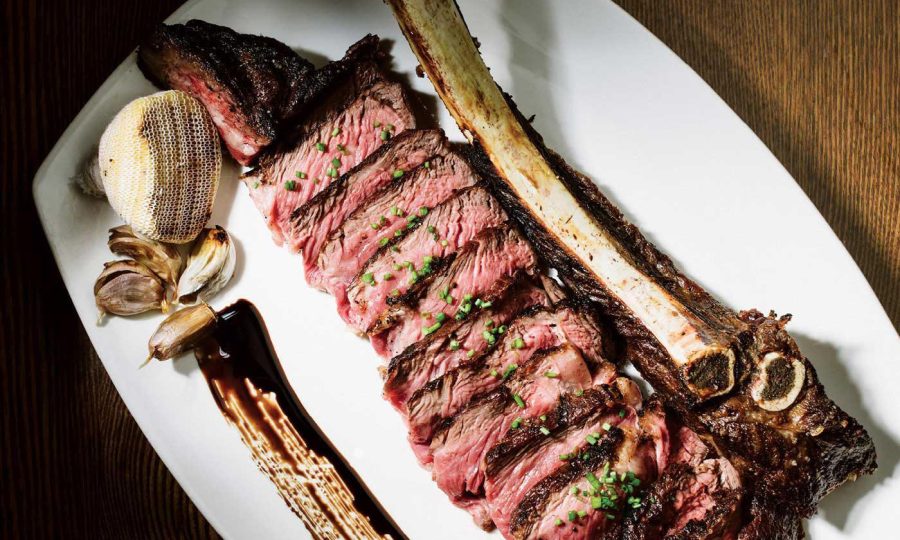
In the fermented meat industry, discussions often focus on safety, production capacity, and efficiency. However, no matter how well processes are optimised, the consumer ultimately decides based on a single criterion: taste. Flavour is what makes products like salami or pepperoni appealing, and any deviation - even a subtle one - can compromise the consumer experience.
Why taste is the ultimate criterion for consumers
Fermented products are recognised for their distinctive flavour, achieved through the combination of spices, meat quality, and microbial culture activity. This flavour must be:
- balanced,
- natural,
- consistent,
- pleasant,
- and easily recognisable.
If the flavour profile is not consistent, consumers perceive a lack of quality, even if the product is safe and well-processed.
The challenge: how do we maintain flavour as fermentation speeds up?
To increase efficiency and reduce microbiological risks, many producers aim for faster acidification and a more pronounced pH drop. The challenge is that:
➡️ very low pH can impact flavour
➡️ The taste may become too sour or unbalanced
➡️ Overly aggressive fermentation can affect texture
This is where specialised cultures come into play.
SafePro® Cultures – safety and speed, without compromising flavour
Protective SafePro® cultures from the Novonesis portfolio are designed to enable fast and safe fermentation while maintaining a mild, clean, and balanced taste, even at low pH.
These cultures:
- produce lactic acid in a controlled way, reducing excessively sour notes;
- generate high-quality aroma compounds that give products their specific identity;
- prevent the development of off-flavours associated with spontaneous fermentation;
- support stable texture and colour;
- ensure process repeatability, regardless of raw material variability.
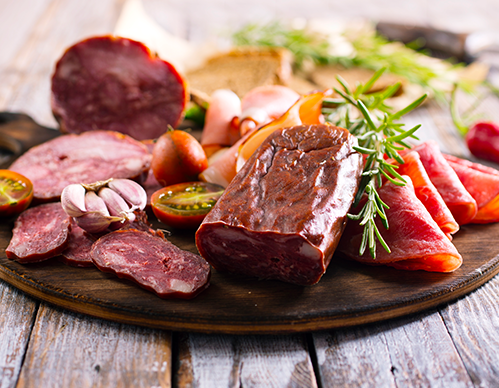

„Taste first.” – a necessary philosophy in modern production
In a competitive market, differentiation is no longer achieved only through process or packaging, but through the experience delivered with every slice.
Modern cultures enable producers to combine:
- fermentation speed,
- microbiological control,
- energy efficiency,
- and the authentic flavour valued by consumers.
This combination turns a standard product into a memorable one.