European Regulations and the Role of Food Cultures in Product Safety
The food industry in the European Union operates within a complex regulatory framework, designed to protect consumers and ensure transparency across the entire food chain. In recent years, food cultures have become increasingly important for food safety and quality, and producers, authorities, and experts have closely examined their regulatory status.
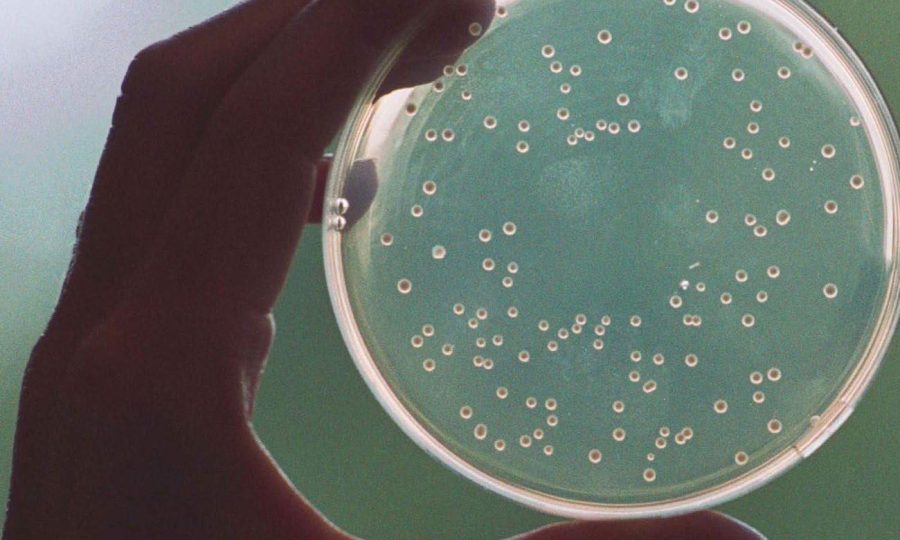
A simple principle: only safe food reaches the market
Regulation (EC) No 178/2002, known as the “General Food Law”, sets the foundation. The principle is clear: unsafe food cannot be placed on the market. From this point, responsibility lies with producers, who must demonstrate that their ingredients and processes are safe, transparent, and compliant.
Food cultures fall within this category of permitted ingredients, provided their safety is demonstrated, and their use is clearly communicated on the label.
Why food cultures are not considered additives
European legislation defines additives as chemically identified substances. Food cultures, however, are living organisms, and their mode of action is biological rather than chemical. As a result, they do not fall under Regulation 1333/2008 on food additives.
The reasoning is clear: a food culture does not simply “add” a function, but actively interacts with the product, ferments, consumes nutrients, and produces metabolites. In practice, it becomes a characteristic ingredient, just like cultures used in yoghurt, cheese, or fermented sausages.
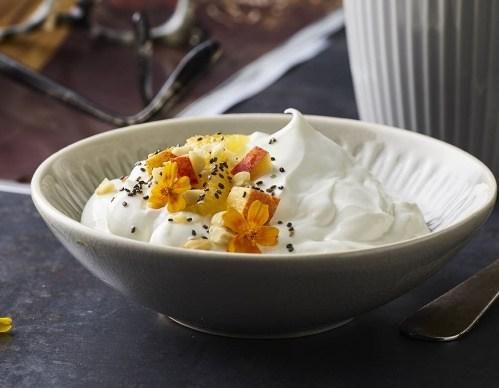
Correct labelling: a mandatory requirement
Transparency requirements are set out in Regulation (EU) No 1169/2011 on the provision of food information to consumers. The label must clearly state the term “cultures”, “food cultures”, or “starter cultures”, depending on language and product specificity.
For consumers, this level of clarity is important in the context of the “clean label” trend, where preference shifts toward natural processes and minimally processed ingredients.

Microbiology as an integral part of compliance
Regulation (EC) No 2073/2005 sets microbiological criteria for food, with a focus on pathogens. For food cultures, there is no specific limit on beneficial bacteria (e.g., lactobacilli), but final products must comply with mandatory limits for pathogens such as Listeria monocytogenes.
In this context, cultures can become a valuable tool: by naturally inhibiting Listeria, they can help producers achieve category 1.3 under the regulation, meaning ready-to-eat products that do not allow pathogen growth.

From regulation to practice: producer responsibility
While legislation provides the framework, implementation lies with the producer. Authorities require proof of efficacy through challenge tests, microbiological studies, or process validations to demonstrate that a product remains safe throughout its shelf life.
As the EU considers the development of official guidelines for food cultures, their role in food safety is becoming increasingly formalised, and producers must be prepared to integrate these requirements into their systems.
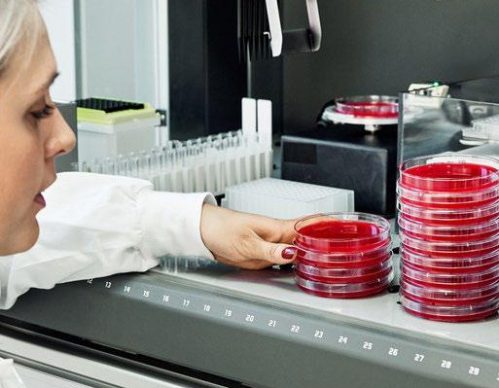
A solid regulatory framework for a transforming industry
Food cultures represent a modern, natural tool aligned with consumer expectations. European legislation confirms their importance, placing them in a clear category: safe ingredients with a technological role that complement hygiene and control practices.
In a market that demands safety, traceability, and clean labels, food cultures become a bridge between strict regulations and increasingly complex consumer expectations.