
The Invisible Power of Beneficial Bacteria: How Food Cultures Transform Fermented Meats
In the fermented meat industry, success depends not only on ingredients or processing technology, but on an invisible yet essential factor: beneficial bacteria. These scientifically selected microorganisms play a fundamental role in developing the texture, colour, flavour, and safety of products such as salami and pepperoni.
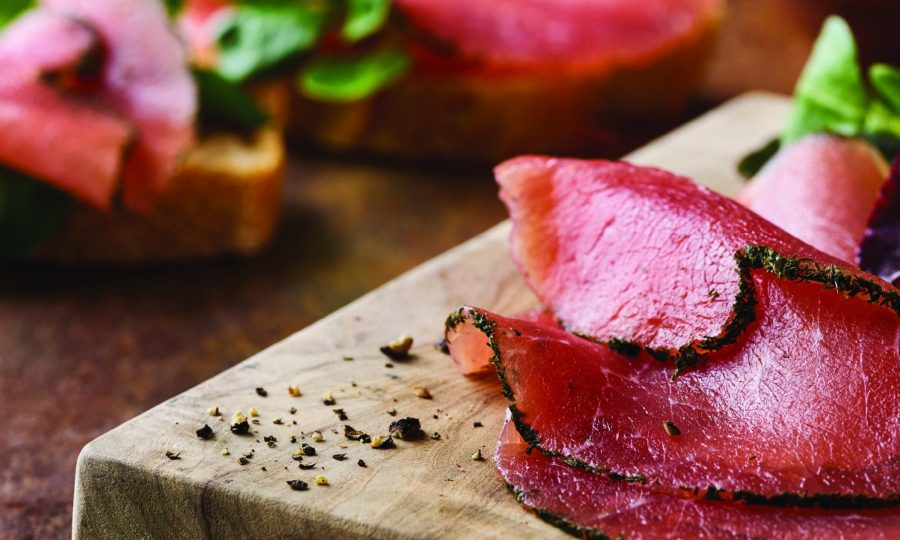
Bacteria – the unseen architects of fermented meat
During fermentation, food cultures act as a complex biological engine. They produce lactic acid, enzymes, and aroma compounds, while contributing to natural competition with unwanted flora. Each culture type has precise capabilities, selected and tested to deliver predictability and control in a process once considered difficult to standardise.
As a result, producers achieve consistent batches, stable organoleptic characteristics, and a high level of food safety—critical elements in a market where repeatable quality is essential.
How do food cultures influence the characteristics of fermented meats
Texture
Lactic acid bacteria contribute to a controlled reduction in pH, leading to protein binding and the formation of a firm, elastic, and uniform structure. Slow or unpredictable acidification can result in excessive drying or a soft, uneven texture.
2. Colour and Stability
Selected cultures stimulate natural colour formation and stabilisation reactions, giving products that attractive reddish hue with good long-term stability. Beneficial bacteria can consume oxygen and support nitrite reduction, key factors for stable colour.
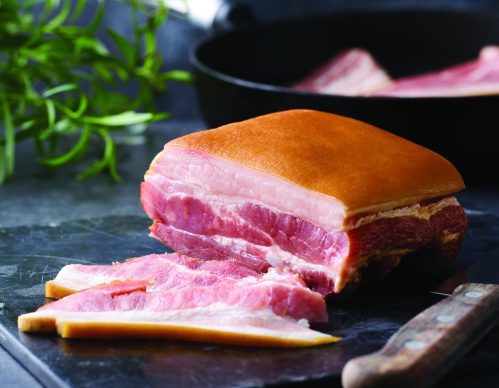
3. Taste and Flavour
The characteristic flavour of salami - from mildly tangy notes to the distinctive nuances of maturation - comes from the enzymatic activity of microorganisms. Each culture contributes differently to flavour development, turning a standard recipe into a product with its own identity.
4. Food safety
Perhaps the most important contribution is creating an unfavourable environment for pathogens such as Listeria monocytogenes. Rapid fermentation and prompt pH reduction provide an additional natural protective barrier.
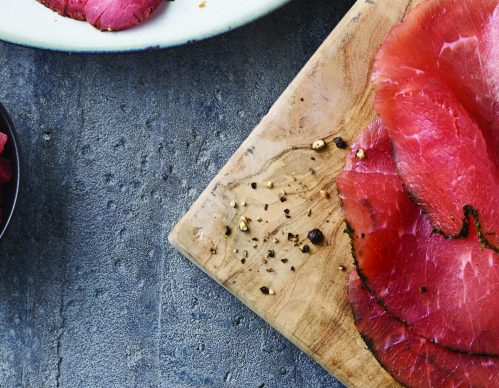
From tradition to science: modern cultures and their benefits
While fermentation in the past relied on spontaneous flora—with unpredictable results—today, food cultures are specialised, robust, and standardised. Through modern solutions such as Chr. Hansen cultures from the Novonesis portfolio, SafePro®, producers can:
- accelerate fermentation and shorten production times;
- improve batch consistency;
- reduce losses and rejects;
- ensure a balanced flavour profile tailored to consumer preferences;
- enhance product safety through rapid acidification and microbiological competition.
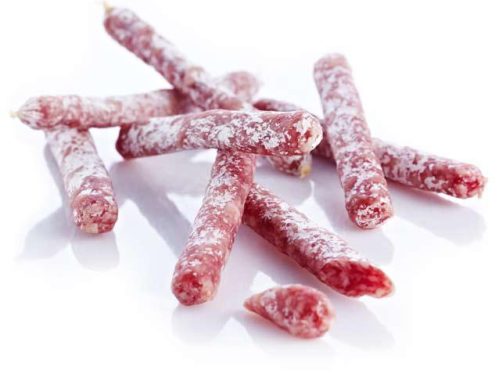
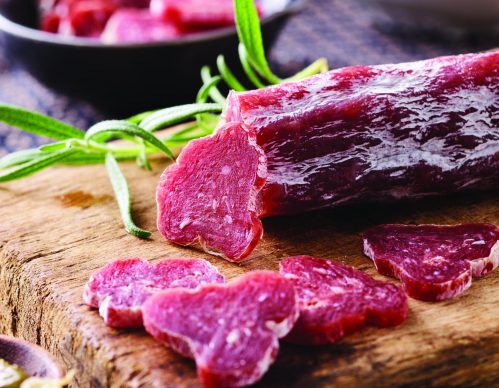
Food cultures, your invisible partner in fermented meat production
Food cultures are not just a technological ingredient - they are your invisible partner in fermented meat production. From texture and colour to safety and flavour, beneficial bacteria transform raw materials into valuable, flavourful, and safe products.
By using modern cultures, every producer can achieve predictable, high-performance results, batch after batch, without compromise. Their integration into production enhances both quality consistency and the overall value of the final product.